About 7 min
1. 知识
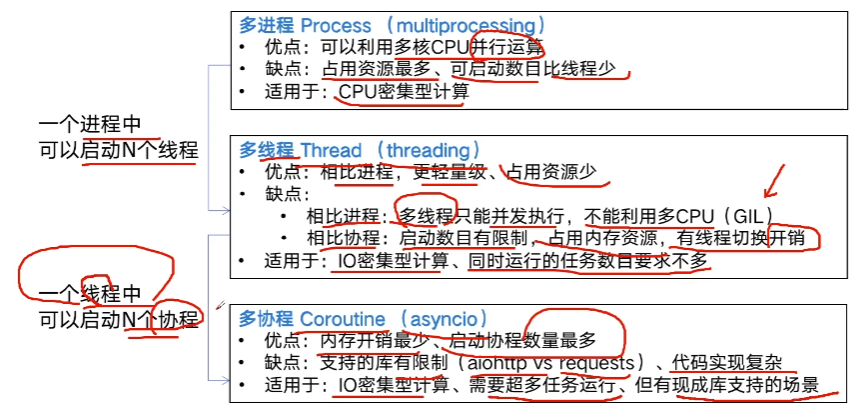
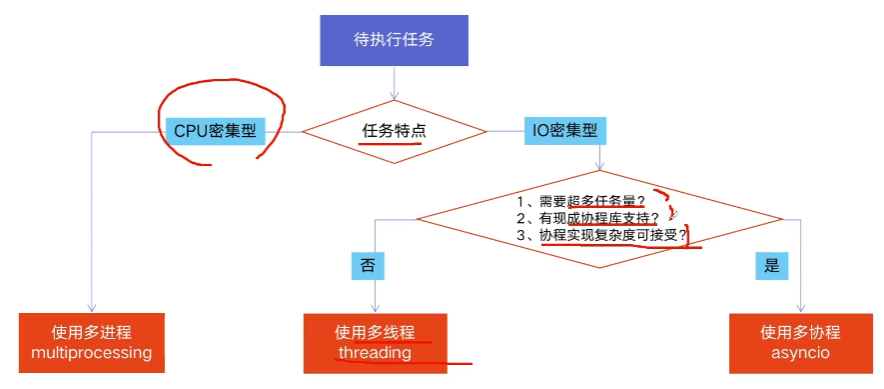
全局解释器锁GIL
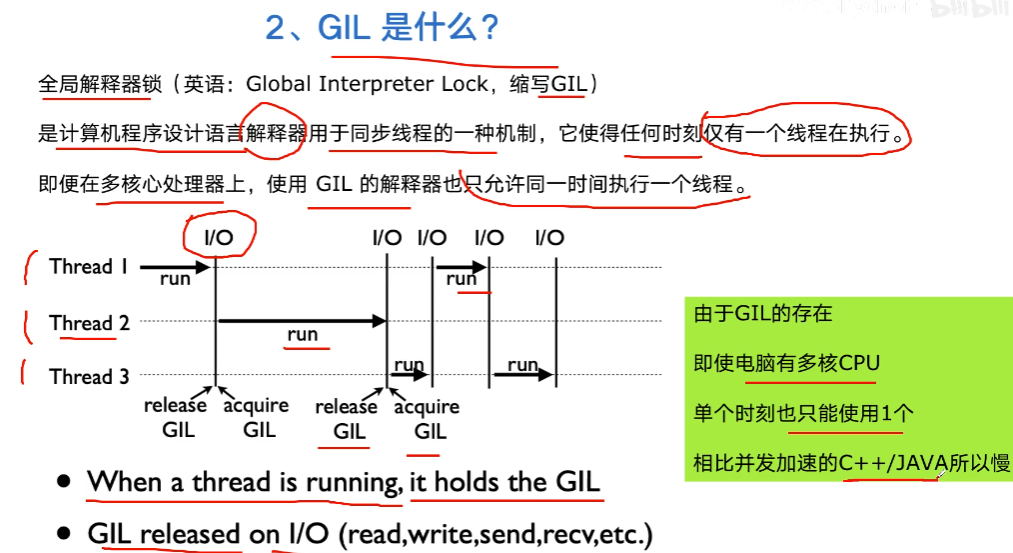
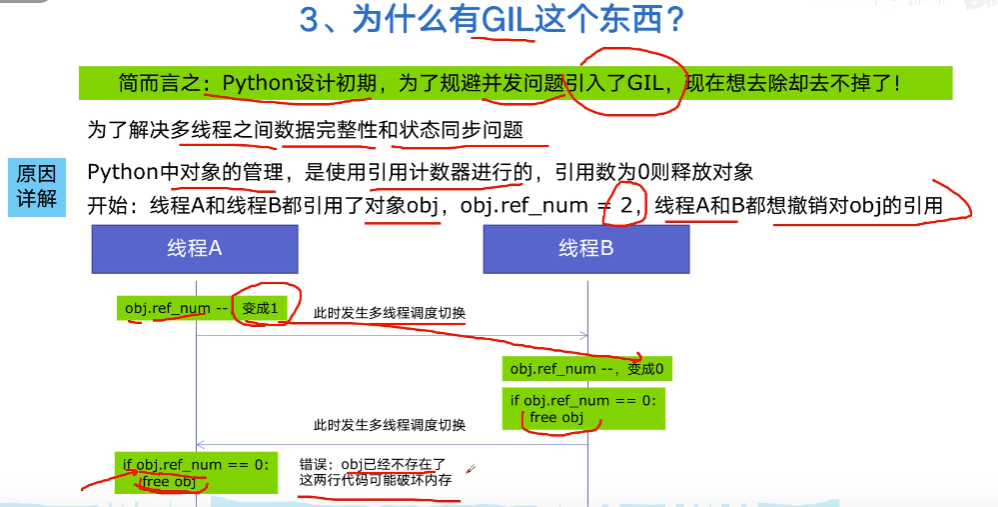
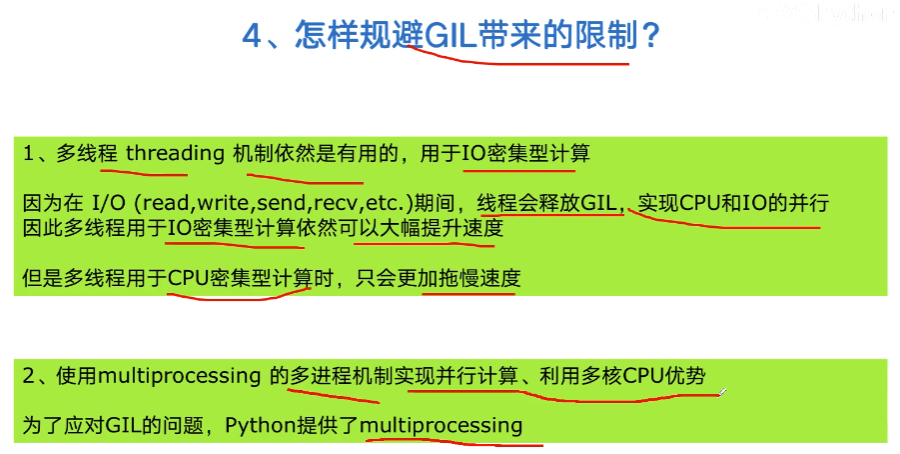
2. 多线程
threading.Thread(target, name, args, daemon, ...)threading.active_count()threading.current_thread()threading.enumerate()
Instance:
.join().start().setDaemon().is_alive()
2.1. 停止flag
一种 stop_threads 变量的方式
import threading
import time

def run():
    while True:
        time.sleep(0.1)
        print('thread running')
        if stop_threads:
            break

stop_threads = False
t1 = threading.Thread(target=run)
t1.start()
time.sleep(1)
stop_threads = True
t1.join()
print('thread killed')
'''
thread running
thread running
thread running
thread running
thread running
thread running
thread running
thread running
thread running
thread running
thread killed
'''


# -------------------------

import threading
import time

class Dog():
    def __init__(self):
        self.stop_threads = False
        t1 = threading.Thread(target=self.run)
        t1.start()
        time.sleep(1)
        self.stop_threads = True
        t1.join()
        print('thread killed')
        pass

    def run(self):
        while True:
            print('thread running')
            if self.stop_threads:
                break

dog = Dog()
一种让 stop_threads 变成函数的方式
import threading
import time


def run(stop_threads):
    while True:
        print('thread running')
        if stop_threads():
            break

stop_threads = False

# args 只有一个参数时,必须有逗号,不然不是 tuple
t1 = threading.Thread(target=run, args=(lambda: stop_threads,))
t1.start()
time.sleep(1)
stop_threads = True
t1.join()
print('thread killed')


# -----------------------
# 写成类

import threading
import time

def run(stop_threads):
    while True:
        print('thread running')
        if stop_threads():
            break

class Dog():
    def __init__(self):
        self.stop_threads = False
        t1 = threading.Thread(target=run, args=(lambda: self.stop_threads,))
        t1.start()
        time.sleep(1)
        self.stop_threads = True
        t1.join()
        print('thread killed')
        pass

dog = Dog()

# ---------------------
# 成员函数

import threading
import time


class Dog():
    def __init__(self):
        self.stop_threads = False
        t1 = threading.Thread(target=self.run, args=(lambda: self.stop_threads,))
        t1.start()
        time.sleep(1)
        self.stop_threads = True
        t1.join()
        print('thread killed')
        pass

    def run(self, stop_threads):
        while True:
            print('thread running')
            if stop_threads():
                break

dog = Dog()
2.2. 守护线程
设置daemon=True(默认False)会标记其为守护线程。
- 当主进程已经结束后,如果剩下的线程只有守护线程时,守护进程直接退出。
- 当主进程没有结束,那么剩下的线程只有守护线程时,守护进程也不会退出。
比如,我有两个线程,一个read线程一直在print消息,另一个write线程则在input。我们想设置一个退出信号q,让write线程退出后,read线程也跟着退出。
import threading
import time


def read():
	i=0
	while True:
		print(i)
		i += 1
		time.sleep(1)

def write():
	while True:
		s = input()
		if s=='q':
			break

if __name__ == '__main__':
    print('test begin...')

    tw=threading.Thread(target=write)
    tr=threading.Thread(target=read, daemon=True)
    tw.start()
    tr.start()

    for i in range(5):
        print('main', i)
        time.sleep(1)

'''
# main的5秒后输入q,则主线程已经退出,write线程一退出,read线程立马退出。
(nerf) PS D:\git\gpuhot> & D:/Applications/miniconda/envs/nerf/python.exe d:/git/gpuhot/src/gpuhot/1.py
test begin...
0
main 0
1
main 1
2
main 2
3
main 3
main 4
4
5
6
q7

# main的5秒内输入q,则write线程退出,但主线程还没退出,read线程就仍在跑。
# 当过了5秒,主线程退出后,read线程立马退出。
(nerf) PS D:\git\gpuhot> & D:/Applications/miniconda/envs/nerf/python.exe d:/git/gpuhot/src/gpuhot/1.py
test begin...
0
main 0
1
main 1
q
2
main 2
main 3
3
main 4
4
'''
2.3. join让主进程等待
'''
等待子线程结束后,主线程才继续输出 `'world'`.
'''
import threading
import time

def print666():
    time.sleep(5)
    print('666')

if __name__ == '__main__':

    t = threading.Thread(target=print666)
    t.start()

    print('hello')
    t.join();
    print('world')
'''
hello
666
world
'''
'''
陷入死循环。因为主线程在等read结束,而read守护线程只有当主线程结束才自动退出。
'''
import threading
import time


def read():
	i=0
	while True:
		print(i)
		i+=1
		time.sleep(1)

def write():
	while True:
		s=input()
		if s=='q':
			break

if __name__ == '__main__':
    print('test begin...')

    tw=threading.Thread(target=write)
    tr=threading.Thread(target=read, daemon=True)
    tw.start()
    tr.start()

    tr.join()
    print('main')
2.4. 内容
列表、对象、字典都是可以保存的
'''
列表
'''
import threading
import time


def get_i_lists(i, i_lists):
    i_lists.append(i)
    time.sleep(5)
    pass

if __name__ == "__main__":
    threads = []
    i_lists = []
    for i in range(10):
        t = threading.Thread(target=get_i_lists, args=(i, i_lists))
        threads.append(t)

    for t in threads:
        t.setDaemon(True)
        t.start()

    print("hello")

    for t in threads:
        t.join()

    print("world")

    for i in i_lists:
        print(i)
'''
hello
world
0
1
2
3
4
5
6
7
8
9
'''
2.5. 生产者消费者
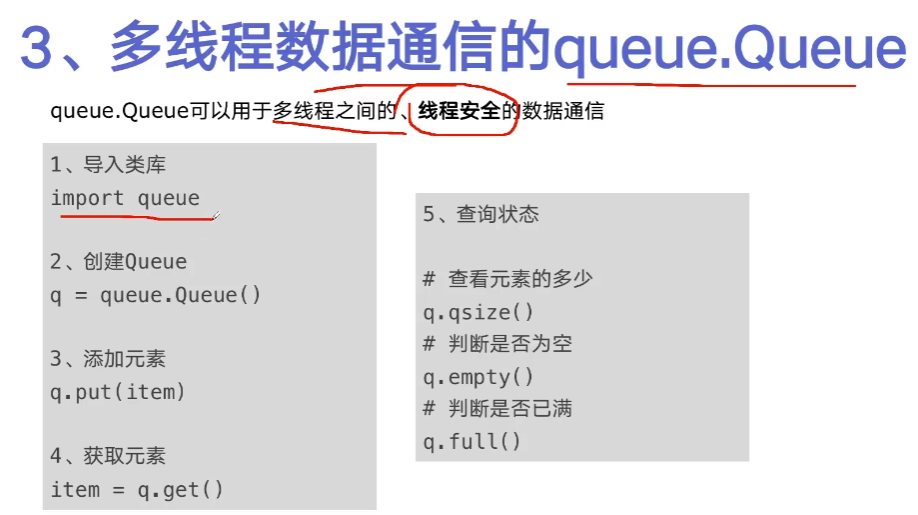
import queue
import threading
import time

from numpy import mat


def produce(material_queue: queue.Queue, product_queue: queue.Queue):
    while material_queue.qsize() > 0:
        materail = material_queue.get()
        time.sleep(1)
        product_queue.put(materail + " producted")
        print(
            f"name = {threading.current_thread().name}, product_queue's size = {product_queue.qsize()}"
        )


def consume(product_queue: queue.Queue):
    while True:
        product = product_queue.get()
        time.sleep(1)
        print(
            f"name = {threading.current_thread().name}, product_queue's size = {product_queue.qsize()}"
        )


material_queue = queue.Queue()
for i in range(10):
    material_queue.put("material" + str(i))
product_queue = queue.Queue()

# 几个生产者
for i in range(3):
    producer = threading.Thread(target=produce, args=(material_queue, product_queue))
    producer.start()

# 几个消费者
for i in range(2):
    consumer = threading.Thread(target=consume, args=(product_queue,))
    consumer.start()

'''
name = Thread-2 (produce), product_queue's size = 1
name = Thread-3 (produce), product_queue's size = 2
name = Thread-1 (produce), product_queue's size = 2
name = Thread-2 (produce), product_queue's size = 2
name = Thread-3 (produce), product_queue's size = 3
name = Thread-5 (consume), product_queue's size = 4
name = Thread-1 (produce), product_queue's size = 4
name = Thread-4 (consume), product_queue's size = 4
name = Thread-2 (produce), product_queue's size = 3
name = Thread-5 (consume), product_queue's size = 3
name = Thread-4 (consume), product_queue's size = 4
name = Thread-1 (produce), product_queue's size = 4
name = Thread-3 (produce), product_queue's size = 5
name = Thread-5 (consume), product_queue's size = 3
name = Thread-4 (consume), product_queue's size = 3
name = Thread-2 (produce), product_queue's size = 4
name = Thread-5 (consume), product_queue's size = 2
name = Thread-4 (consume), product_queue's size = 2
name = Thread-5 (consume), product_queue's size = 0
name = Thread-4 (consume), product_queue's size = 0
'''
2.6. 锁
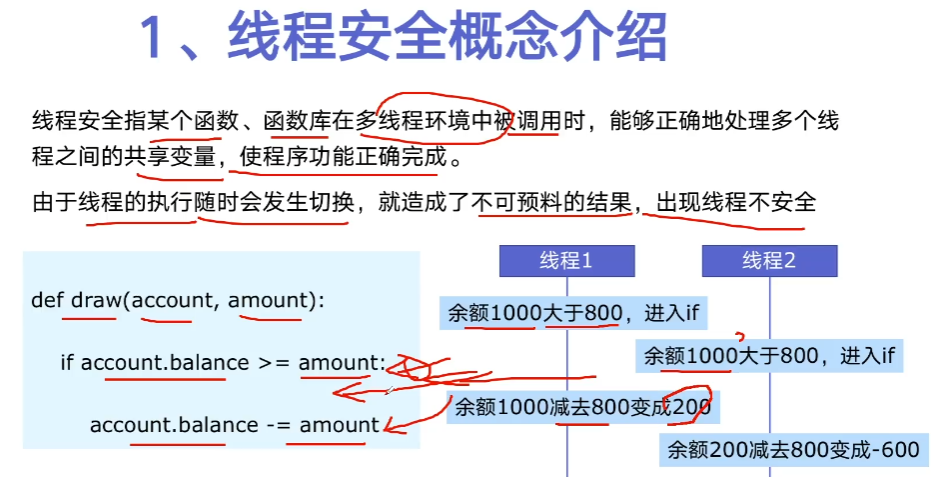
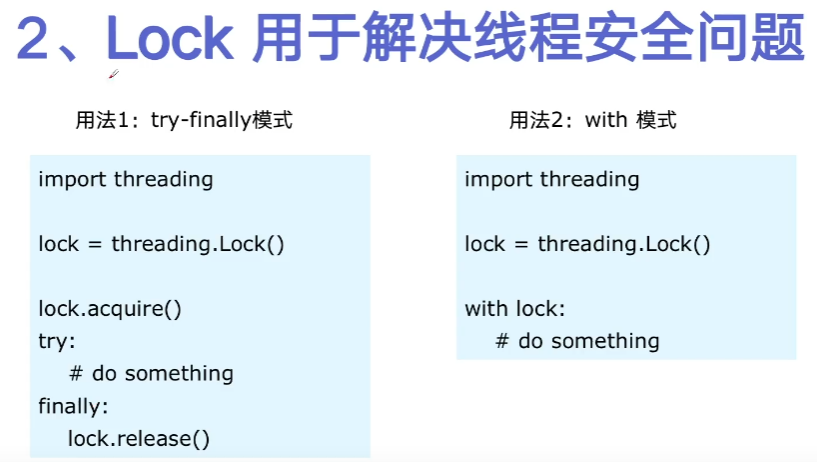
'''
没有带锁
'''
import threading
import time
from attr import dataclass

@dataclass
class Accout:
    balance: int = 1000


def run(accout: Accout, amount: int):
    # 只有这里的sleep,不出问题
    # time.sleep(0.1)
    if accout.balance >= amount:
        # 这里的sleep(耗时操作),就会出问题。因为多个线程都已经通过了if判断,然后都进入了这里,然后都sleep了,然后都减了钱
        time.sleep(0.1)
        accout.balance -= amount
        print(f"balance = {accout.balance}")
    else:
        print("not enough money")

accout = Accout()
for i in range(2):
    t = threading.Thread(target=run, args=(accout, 800))
    t.start()
'''
balance = 200
balance = -600
'''
import threading
import time
from attr import dataclass


@dataclass
class Accout:
    balance: int = 1000


def run(accout: Accout, amount: int):
    with lock:
        if accout.balance >= amount:
            time.sleep(0.1)
            accout.balance -= amount
            print(f"balance = {accout.balance}")
        else:
            print("not enough money")

lock = threading.Lock()
accout = Accout()
for i in range(2):
    t = threading.Thread(target=run, args=(accout, 800))
    t.start()
'''
balance = 200
not enough money
'''
3. 线程池
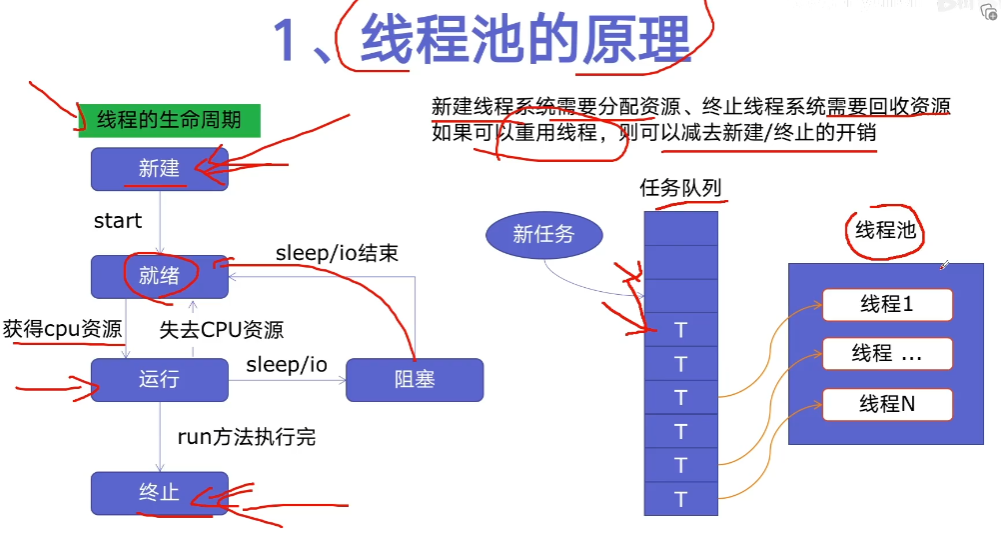
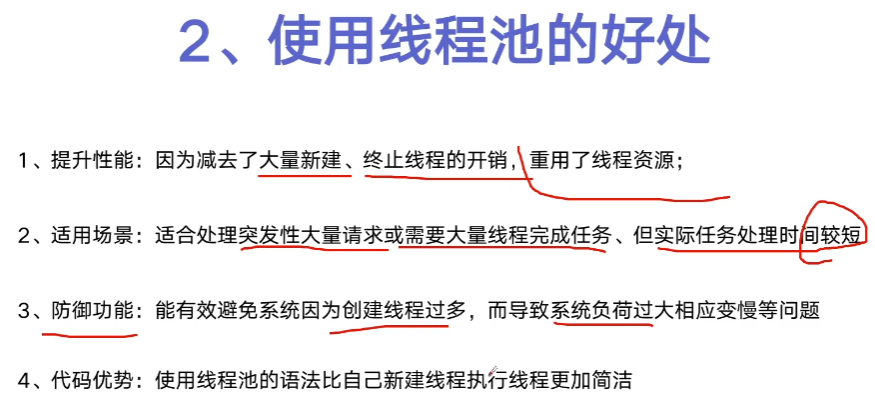
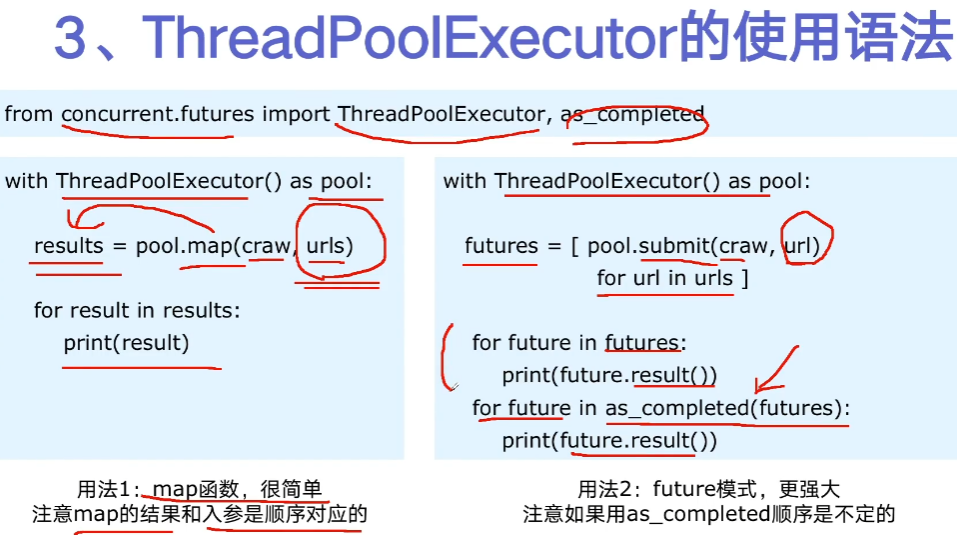
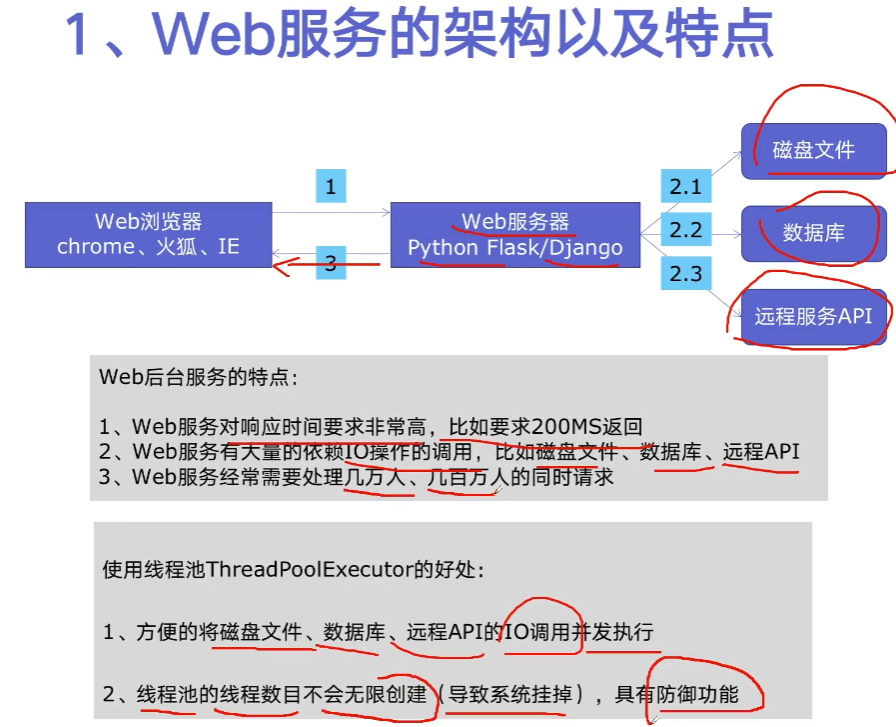
- 要么直接提交一个列表,要么依次提交单个元素。
- 要么按列表的提交顺序返回(需要都执行完);要么按谁先完成的顺序返回(不需要都执行完了)。
'''
线程池
'''
import time
import concurrent.futures
import threading

sleep_time = [ 5, 1, 3, 2, 4, 5, 1, 2, 3, 4 ]

def run(i):
    r = sleep_time[i]
    time.sleep(r)
    print(f"thread {i} start, sleep {r} seconds")
    return i

i_list = [ i for i in range(10) ]

with concurrent.futures.ThreadPoolExecutor() as executor:
    results = executor.map(run, i_list)
    for result in results:
        print(result)
    print('-'*20)


with concurrent.futures.ThreadPoolExecutor() as executor:
    futures = []
    for i in range(10):
        future = executor.submit(run, i)
        futures.append(future)

    for future in futures:
        print(future.result())
    print('-'*20)


with concurrent.futures.ThreadPoolExecutor() as executor:
    futures = []
    for i in range(10):
        future = executor.submit(run, i)
        futures.append(future)
    # 按谁先完成的顺序重新组织
    futures = concurrent.futures.as_completed(futures)
    for future in futures:
        print(future.result())
'''
thread 1 start, sleep 1 seconds
thread 6 start, sleep 1 seconds
thread 7 start, sleep 2 seconds
thread 3 start, sleep 2 seconds
thread 2 start, sleep 3 seconds
thread 8 start, sleep 3 seconds
thread 9 start, sleep 4 seconds
thread 4 start, sleep 4 seconds
thread 5 start, sleep 5 seconds
thread 0 start, sleep 5 seconds
0
1
2
3
4
5
6
7
8
9
--------------------
thread 6 start, sleep 1 seconds
thread 1 start, sleep 1 seconds
thread 7 start, sleep 2 seconds
thread 3 start, sleep 2 seconds
thread 2 start, sleep 3 seconds
thread 8 start, sleep 3 seconds
thread 4 start, sleep 4 seconds
thread 9 start, sleep 4 seconds
thread 0 start, sleep 5 seconds
thread 5 start, sleep 5 seconds
0
1
2
3
4
5
6
7
8
9
--------------------
thread 6 start, sleep 1 seconds
thread 1 start, sleep 1 seconds
6
1
thread 3 start, sleep 2 seconds
thread 7 start, sleep 2 seconds
3
7
thread 2 start, sleep 3 seconds
thread 8 start, sleep 3 seconds
2
8
thread 9 start, sleep 4 seconds
thread 4 start, sleep 4 seconds
9
4
thread 0 start, sleep 5 seconds
thread 5 start, sleep 5 seconds
0
5
'''
4. 多进程
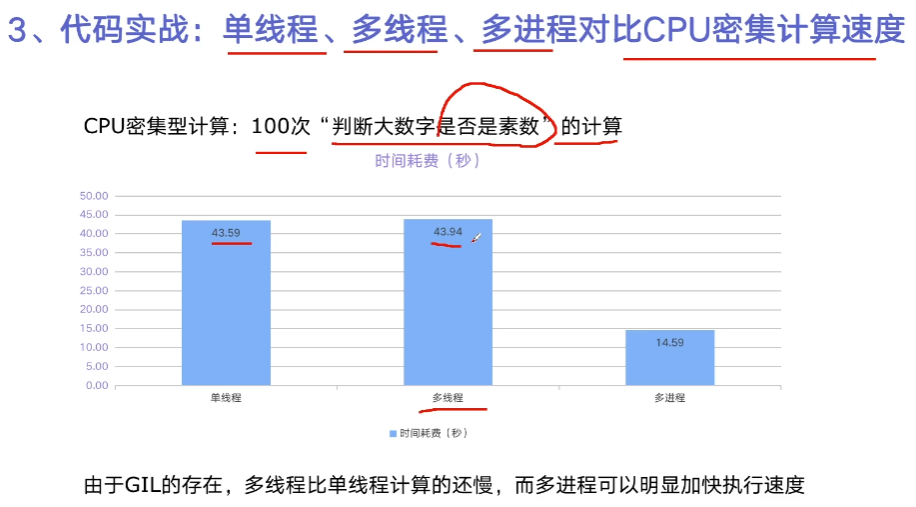
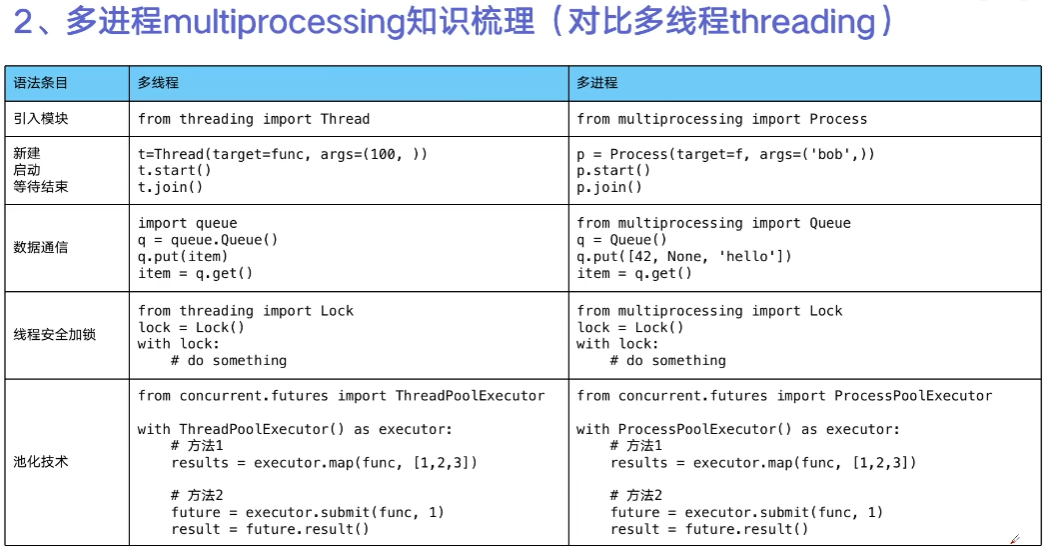
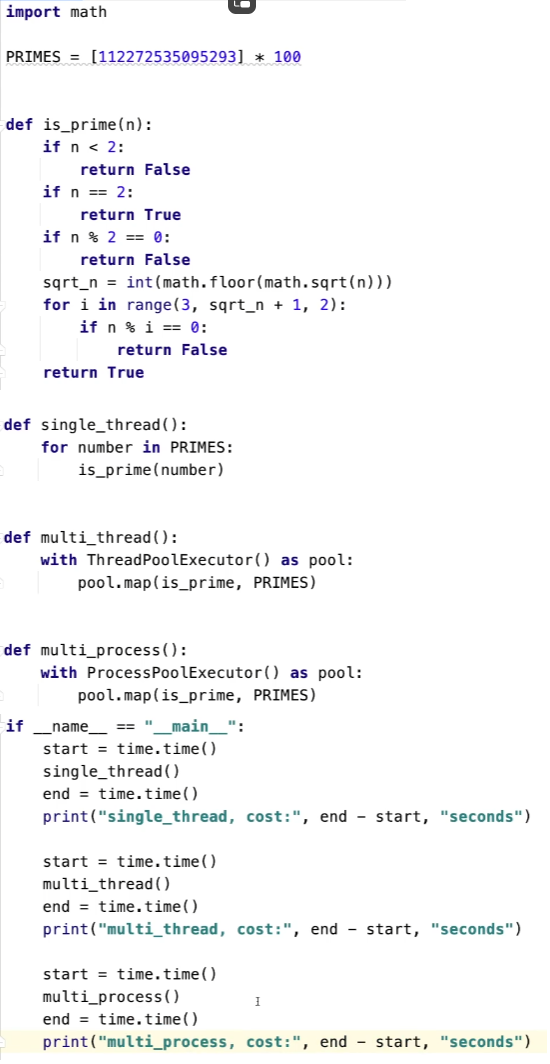
5. 协程
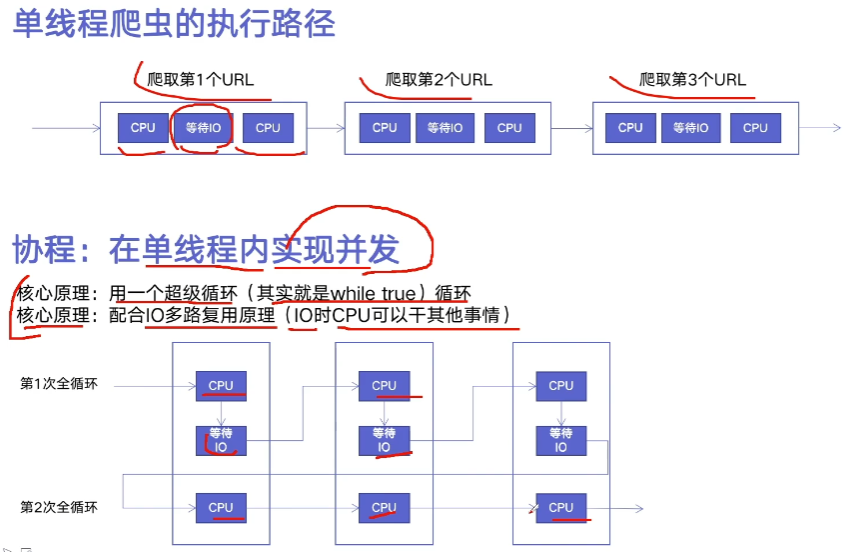
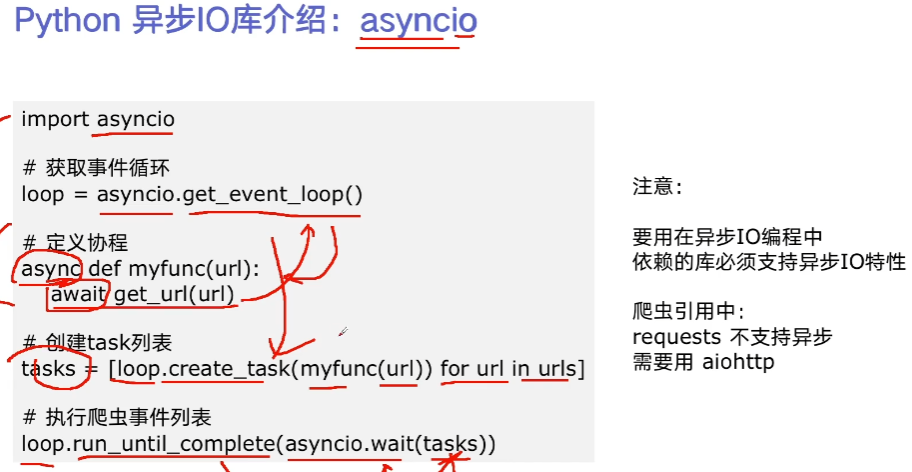
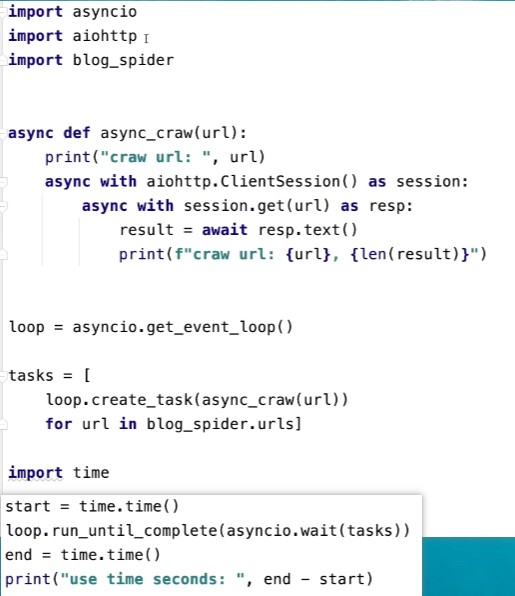
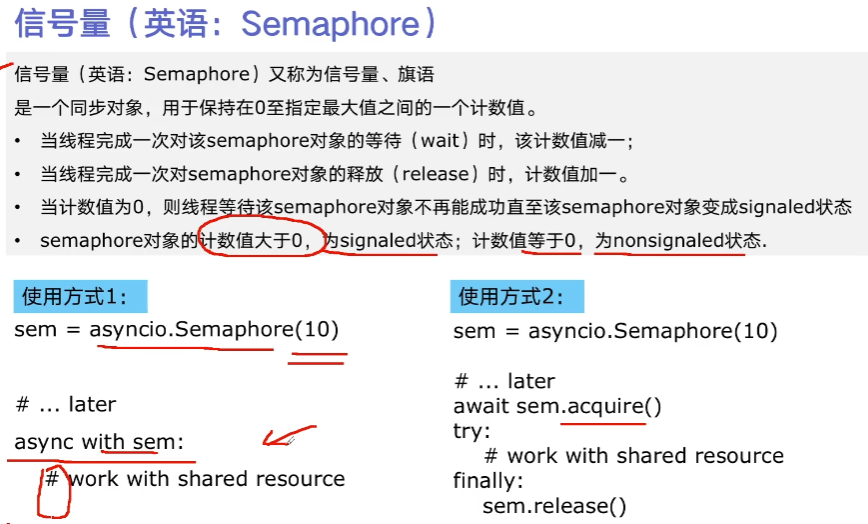
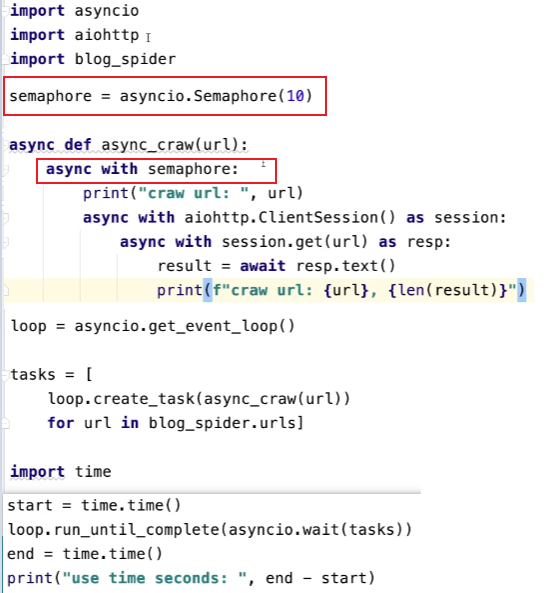
6. 信号量